ESG · GHG Accounting · Impact Measurement
An independent ESG & sustainability practice founded by Arun Venkatraman. 7+ years delivering GHG accounting, impact measurement, and decarbonisation strategy across MSMEs, OEMs, startups, and investor-facing contexts. Previously at World Resources Institute India. Co-founder of Bevolve.ai. Master's in Climate Change & Sustainability Studies, TISS Mumbai.
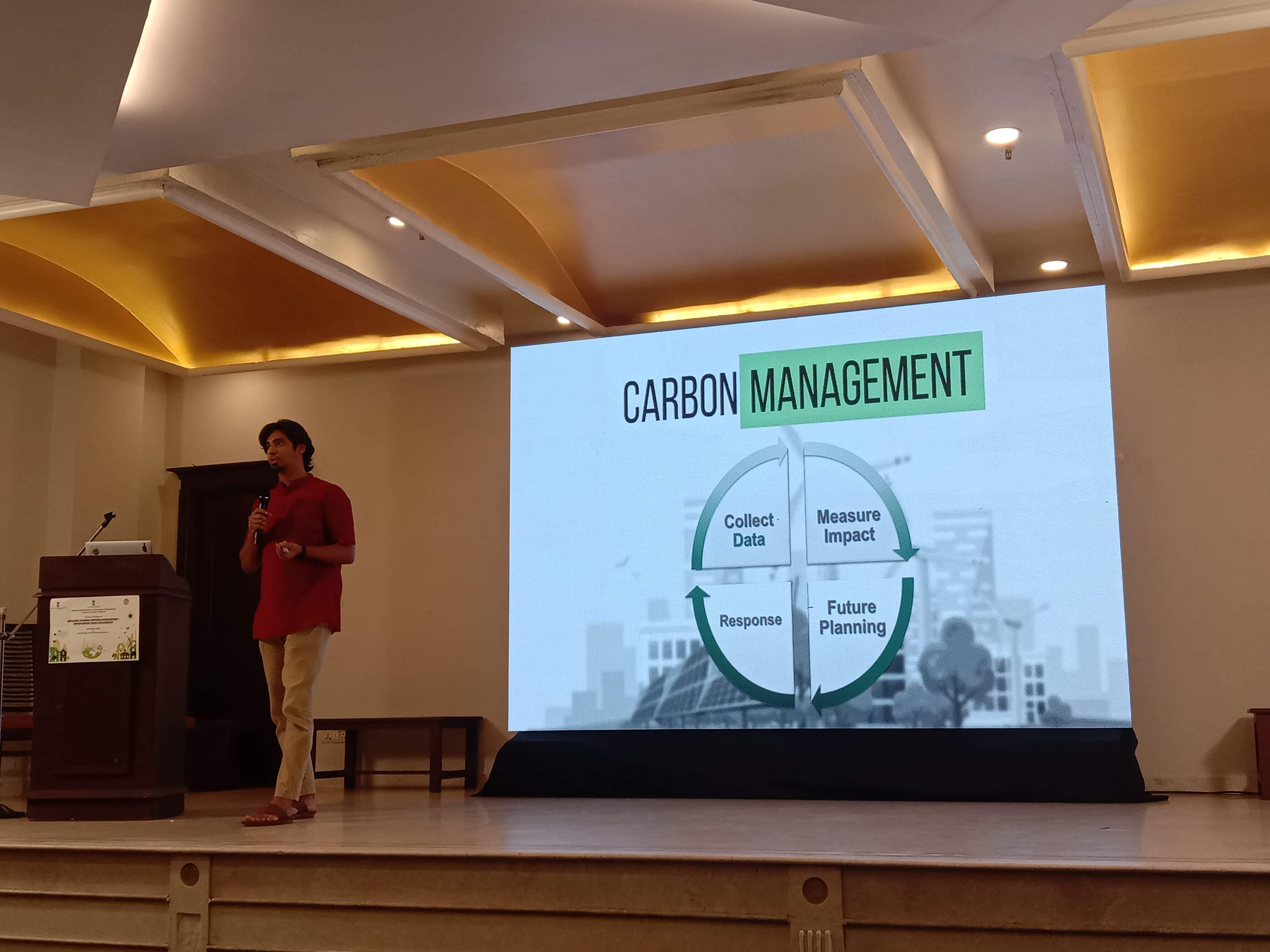
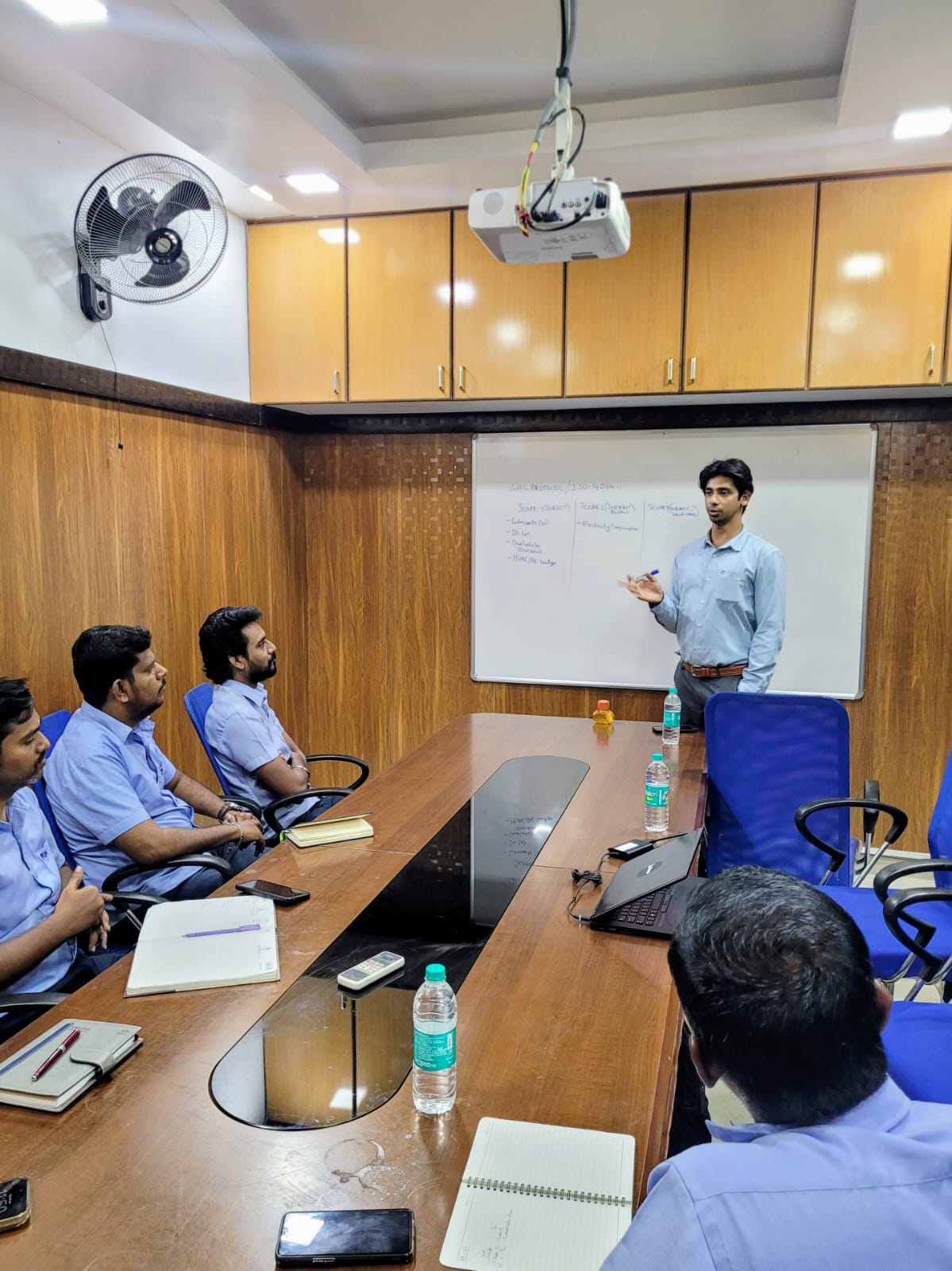
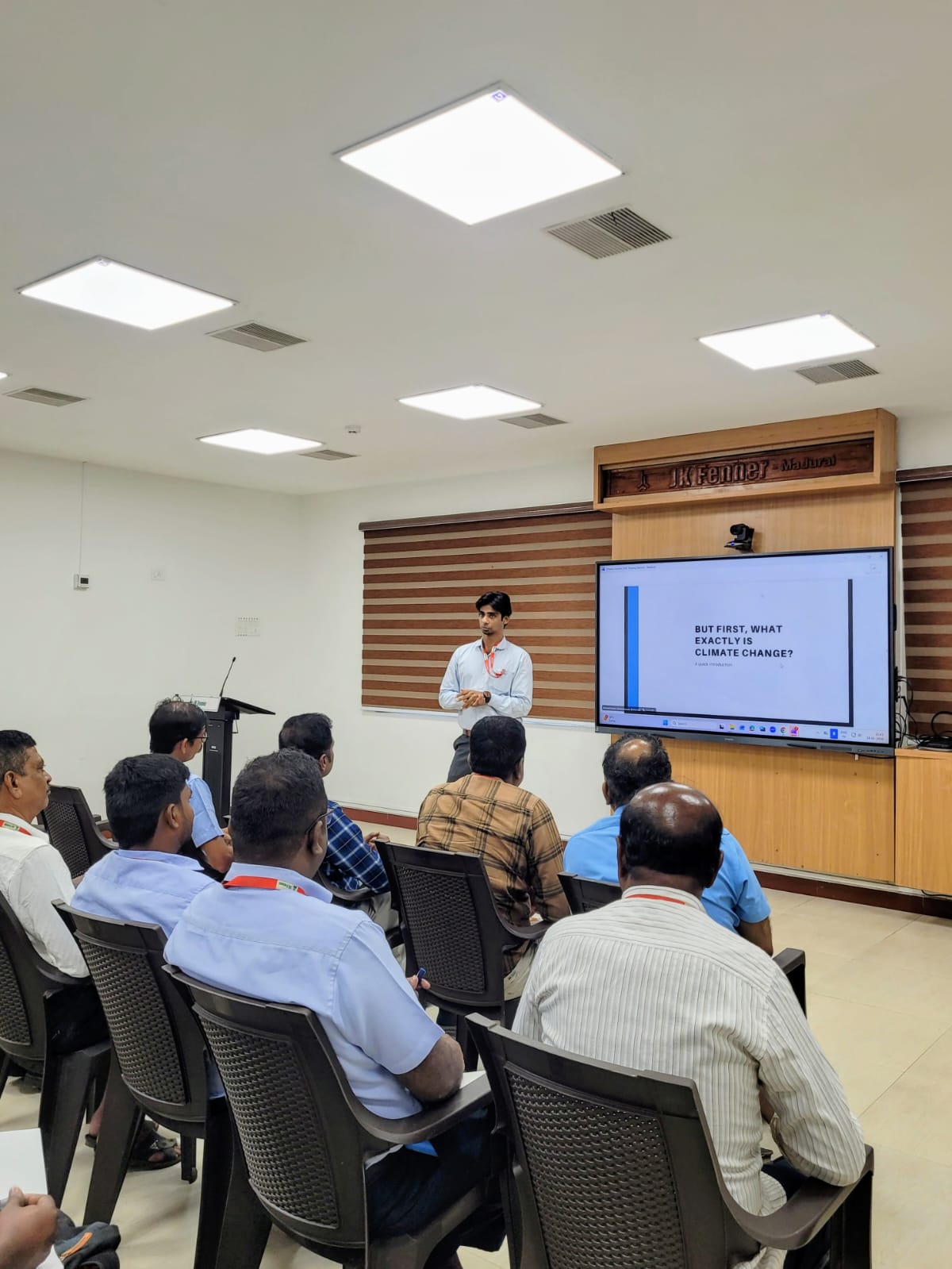
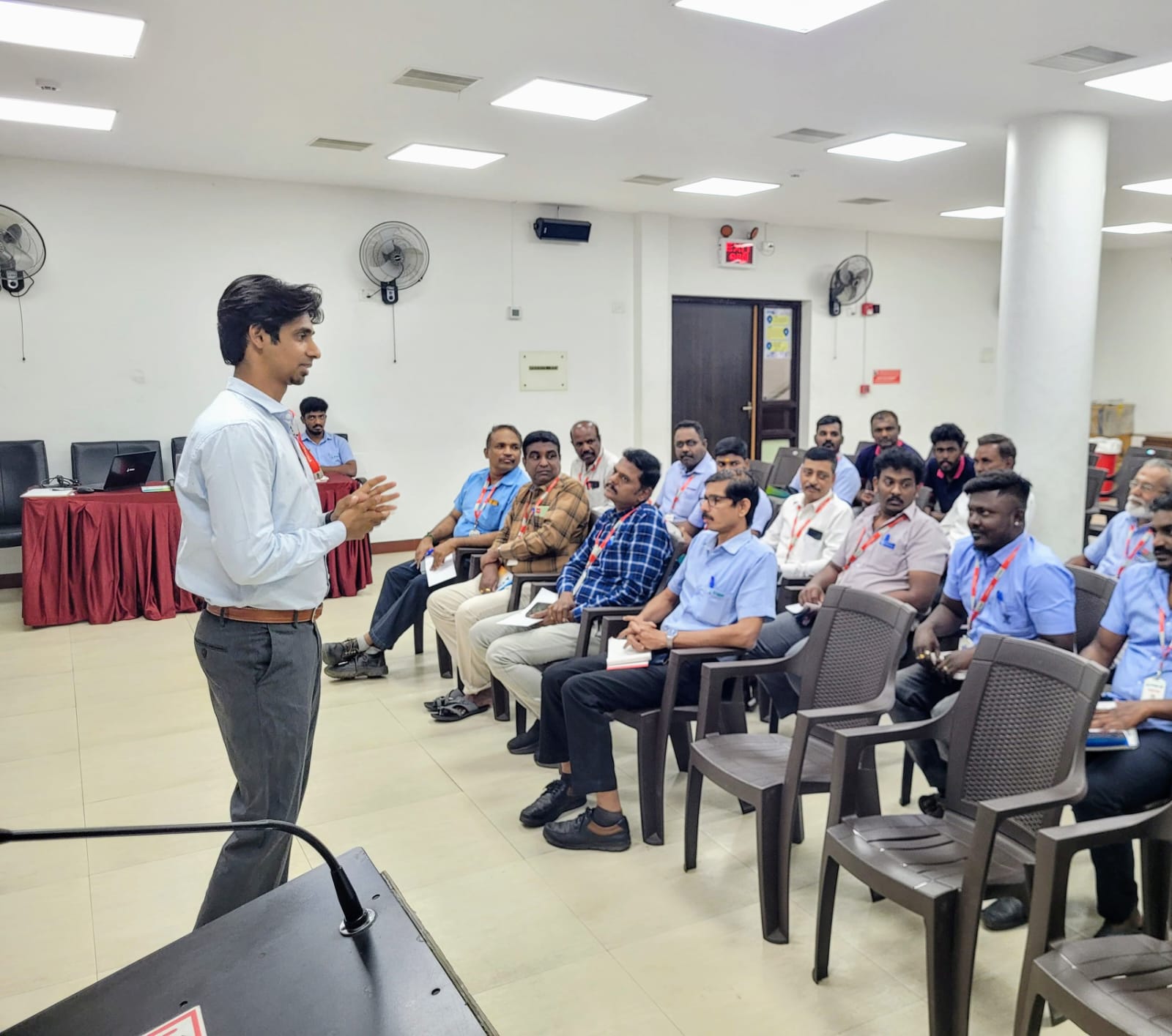
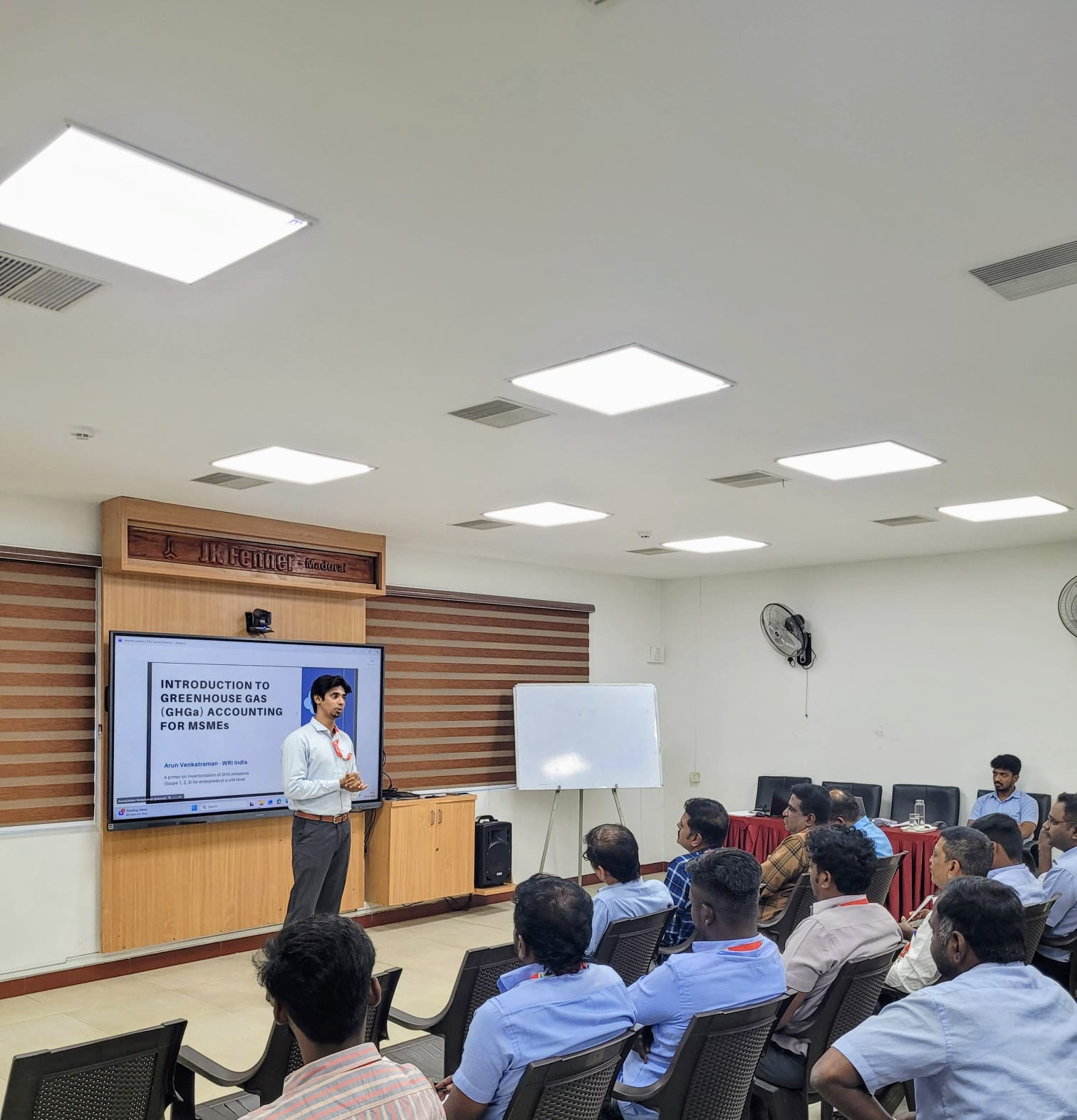
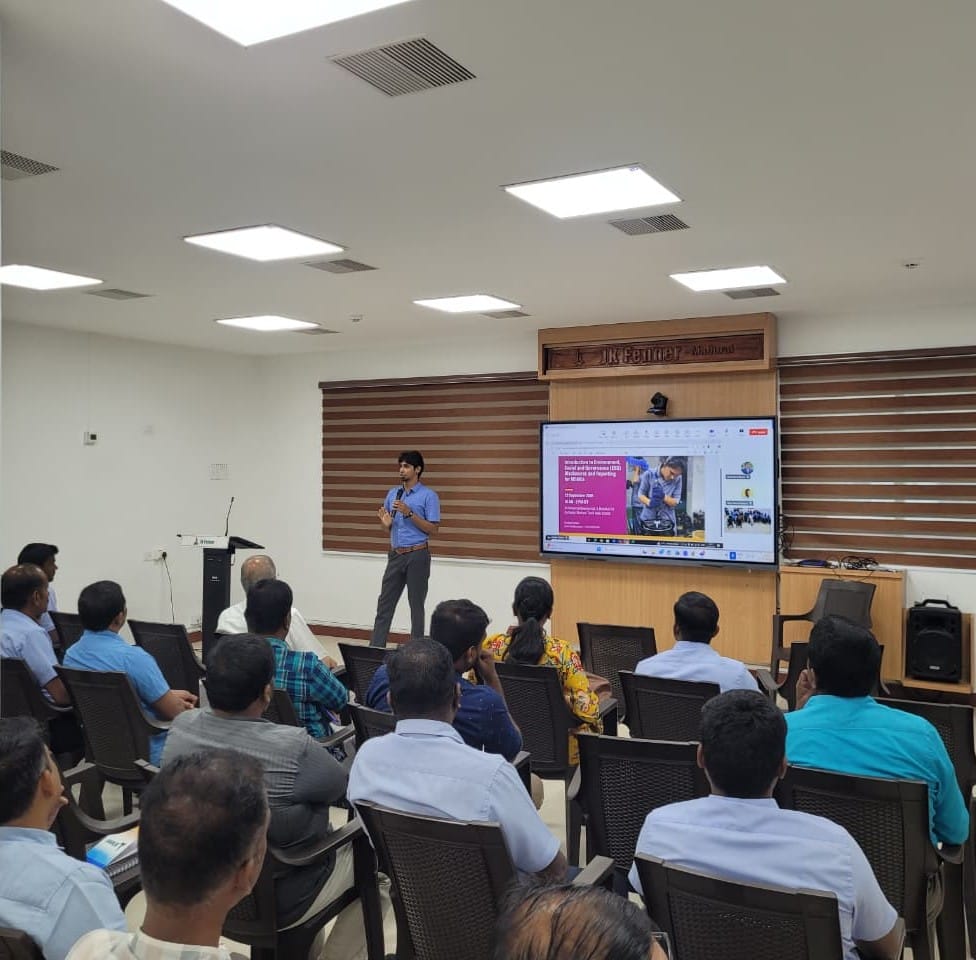
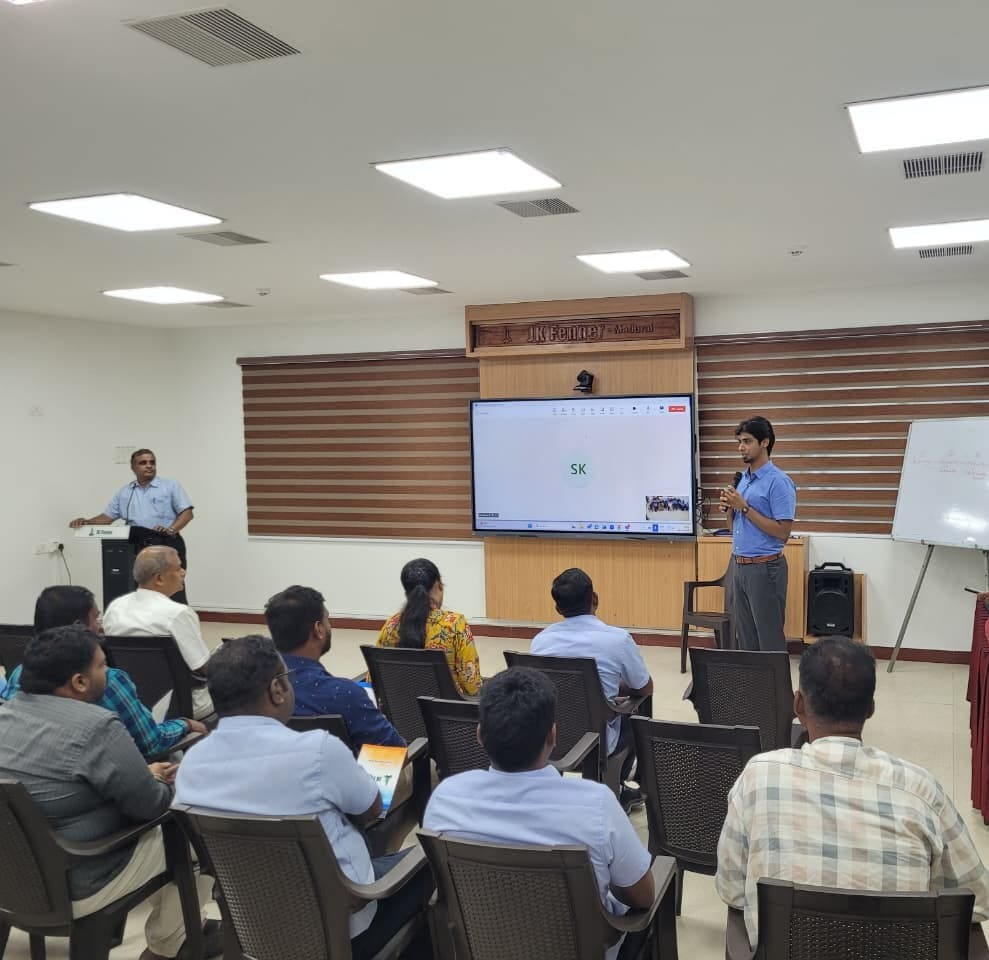
Training & Field Work


Certifications
Services
Practical sustainability — from compliance to decarbonisation.
Services
Measure what matters. Communicate it credibly.
Portfolio
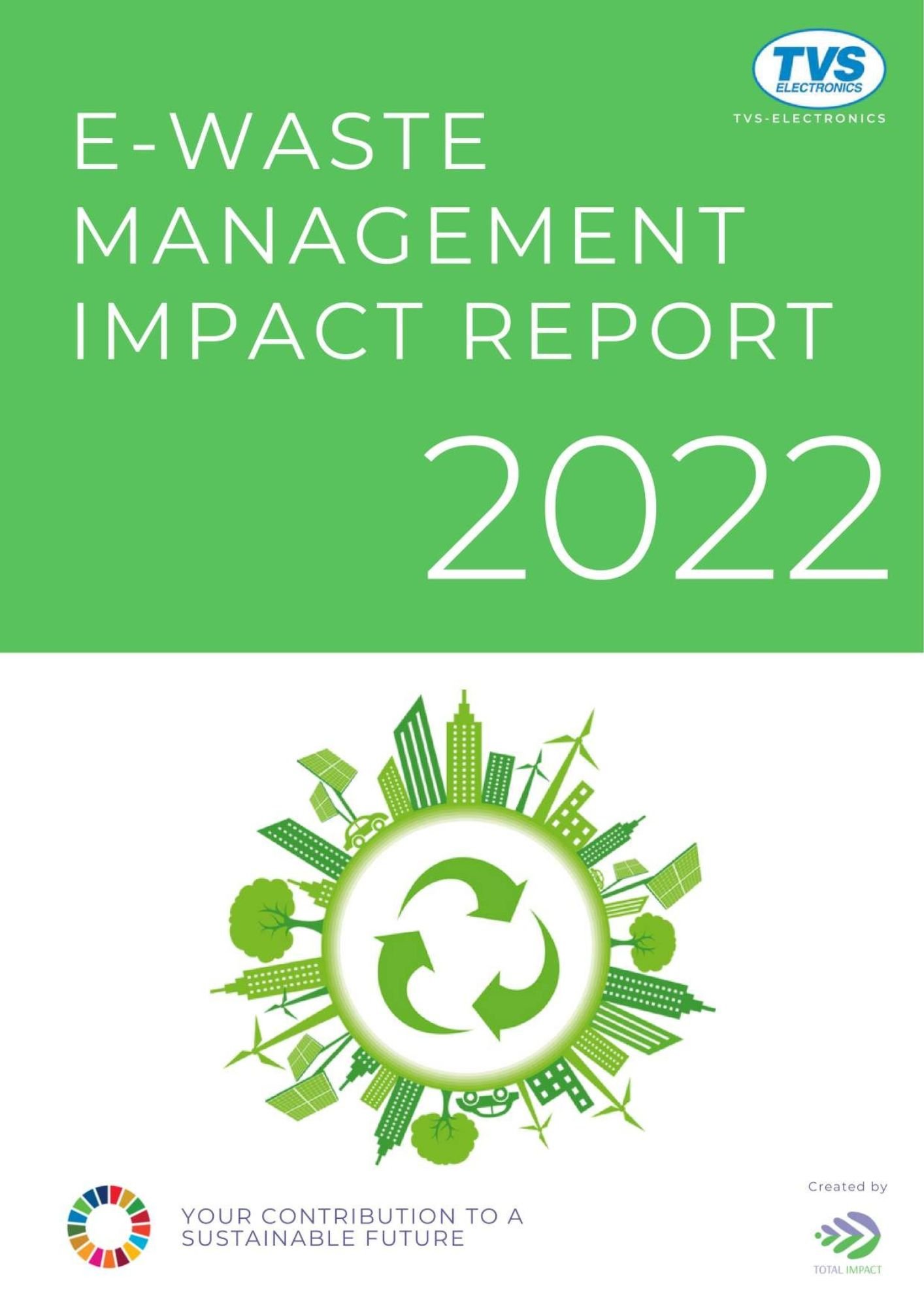
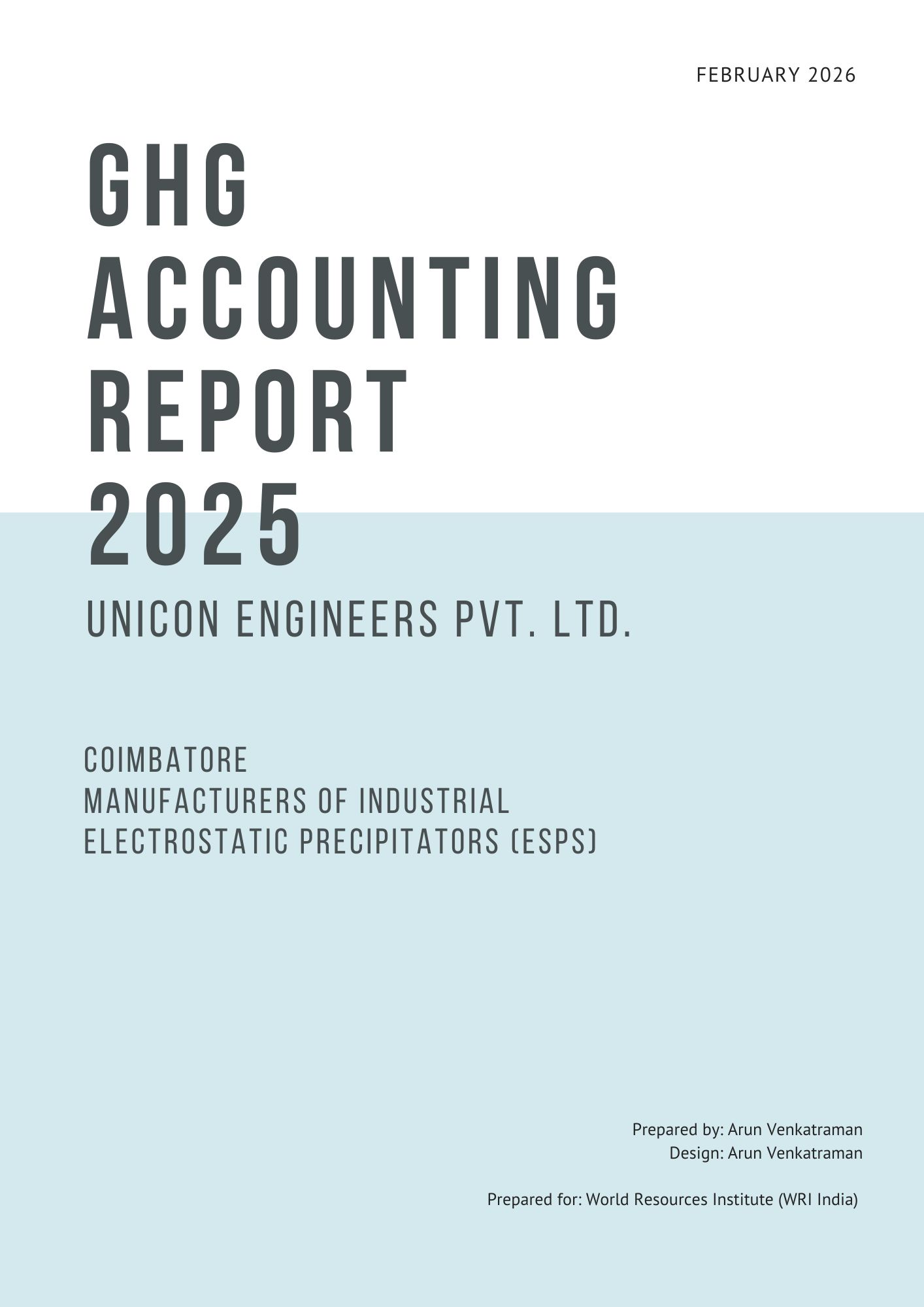
A selection of commissioned impact and sustainability reports delivered across sectors.
Regulatory Intelligence
The EU Carbon Border Adjustment Mechanism entered full implementation in January 2026. Every tonne of carbon embedded in your EU exports now carries a direct financial cost.
What is CBAM? The EU's carbon market has priced carbon emissions since 2005 — forcing European manufacturers to pay for every tonne of CO₂ they emit. To prevent companies from simply importing cheaper, dirtier goods from countries without equivalent carbon costs, the EU introduced CBAM: a carbon levy on imports of covered goods, equivalent to what a European producer would have paid under the EU Emissions Trading System.
Who pays? Legally, the EU importer pays — they purchase CBAM certificates at the EU registry. In practice, many importers negotiate this cost back into the price they pay their suppliers. Indian exporters who cannot demonstrate a low carbon footprint risk losing contracts or accepting lower prices.
What is India's position? India currently has no EU-recognised domestic carbon pricing mechanism. This means Indian exporters receive no credit or offset against their CBAM liability — the full EU ETS price applies to every tonne of embedded carbon in your exports.
What are embedded emissions? CBAM applies not just to your direct production emissions, but also to the carbon embedded in the raw materials and inputs you used — called precursor emissions. A steel manufacturer using pig iron, a cement plant selling OPC, a fertiliser producer making urea — all must account for their full embedded carbon, including upstream inputs.
Covered Sectors & CN Codes
Your liability is calculated in three steps:
Step 1 — Total Embedded Emissions: Multiply your EU export volume (in tonnes) by your emission intensity (tCO₂e per tonne), then add any precursor embedded emissions from CBAM-covered input materials.
Step 2 — Net Carbon Price: The EU ETS price minus any domestic carbon price already recognised by the EU. For Indian exporters, this is the full ETS price (domestic price = €0).
Step 3 — Annual Liability: Total Embedded Emissions × Net Carbon Price = your annual CBAM liability in €, converted to ₹ at the prevailing exchange rate.
Example: 1,000 tonnes of steel exported, intensity 2.3 tCO₂e/t, ETS at €65 → 2,300 tCO₂e × €65 = €149,500 (~₹1.35 Cr) per year.
For complex goods, CBAM requires reporting the carbon embedded in CBAM-covered input materials used in production — called precursors. Only materials that are themselves on the CBAM Annex I list count.
Ignoring precursor emissions understates your liability and risks non-compliance.
CN codes (Combined Nomenclature) are the EU's 8-digit product classification system used in customs. CBAM applies only to goods with CN codes listed in Annex I of Regulation (EU) 2023/956.
Check the CN codes on your export customs documentation (shipping invoices, bill of lading, DGFT export declarations). If your product's CN code is on the CBAM list, your EU importer has a reporting and certificate obligation.
The CBAM Risk Calculator shows the applicable CN codes for every product — cross-check against your export documents to confirm scope.
From October 2023 to December 2025, EU importers filed quarterly CBAM reports but did not pay for certificates. From 1 January 2026, the full obligation applies: certificates must be purchased and surrendered annually. Non-compliance carries significant EU regulatory penalties.
If your EU buyers have not yet discussed CBAM with you, they will — the cost is too material to ignore at current ETS prices.
CBAM liability is directly proportional to your embedded emission intensity. Key reduction levers by sector:
Resources
Practical tools built for sustainability practitioners and MSMEs. Enter your details below to unlock access.
Unlock Free Tools
No spam. Just the tools and occasional insights on ESG & sustainability practice.
You're in. The tools are now unlocked.
Thank you for your interest. Click any tool below to open it.
A structured Scope 1 & 2 GHG data collection tool built for MSMEs. Covers fuel combustion, electricity, refrigerants, and process emissions — with built-in emission factor references, data validation, and a downloadable Excel template pre-formatted for GHG reporting.
Open Tool →Calculate your CBAM exposure — free, in minutes. Enter your export volume, choose your sector, and get a full liability estimate with CN code mapping, precursor embedded emissions, sensitivity analysis across EU ETS price scenarios, and a downloadable PDF report.
Open Calculator →Get in touch
Based in Auroville, India. Available for remote engagements and on-site work across India.